How Cross-Border Regulations Influence Bonus Structures in Digital Card Platforms
Written by Drew Hartmann · Sep 23, 2026
How Cross-Border Regulations Influence Bonus Structures in Digital Card Platforms
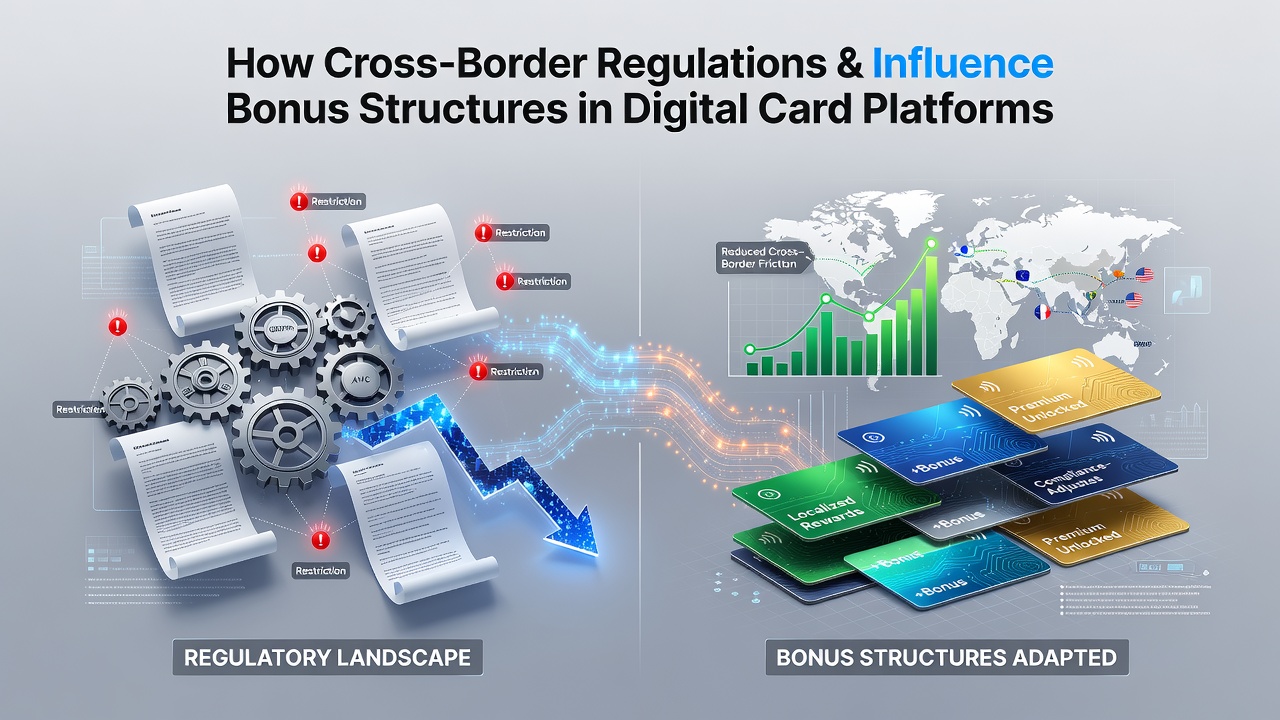
Cross-border regulations shape bonus structures on digital card platforms through varying requirements that platforms must meet when serving users across multiple jurisdictions, and these rules often dictate eligibility criteria, wagering thresholds, and payout restrictions based on a player's location. Data from regulatory filings shows that platforms adjust welcome bonuses, cashback offers, and loyalty rewards to align with local laws on advertising, consumer protection, and anti-money laundering standards.
Platforms operating in the European Economic Area face directives that limit bonus promotions to users in specific member states, while those targeting North American markets navigate state-level rules that can prohibit certain deposit matches or require clear disclosure of terms. Observers note that such differences force operators to segment their bonus offerings geographically, creating separate structures for players in Canada versus those in Australia or teh United States.
Regulatory Variations Across Regions
European frameworks emphasize responsible gaming measures that cap bonus values and impose strict time limits on promotional periods, whereas North American regulations frequently require platforms to verify player age and location before unlocking any rewards. Australian rules add another layer by mandating that bonuses cannot be advertised in ways that target vulnerable groups, which leads many operators to tailor their promotions accordingly. Research indicates that these layered requirements result in bonus structures that differ not only in amount but also in the steps required to release funds.
Platforms must also account for currency controls and tax reporting obligations that vary by country, and these factors influence how bonuses are calculated and distributed. For instance, a bonus offered to a player in one jurisdiction might carry a higher wagering multiplier to offset higher compliance costs in another. Those who study industry reports find that operators increasingly rely on automated systems to detect a user's IP address and apply the appropriate bonus rules in real time.
Impact on Player Eligibility and Promotion Design
Eligibility rules tied to cross-border compliance often exclude users from certain countries entirely or restrict them to lower-value offers, and this segmentation appears in the fine print of many digital card platforms. Data shows that platforms reduce bonus percentages or remove free-play components when serving regions with tighter anti-gambling advertising laws. In practice, a player logging in from a high-regulation zone might see only deposit-match options with extended playthrough requirements, while users in less restrictive areas receive additional perks such as no-deposit credits.
September 2026 brings scheduled reviews of several international agreements that could further standardize disclosure requirements for online promotions, prompting platforms to prepare updated bonus frameworks in advance. Industry organizations have documented how these upcoming changes may affect reload bonuses and tournament entry rewards that currently vary by player nationality.
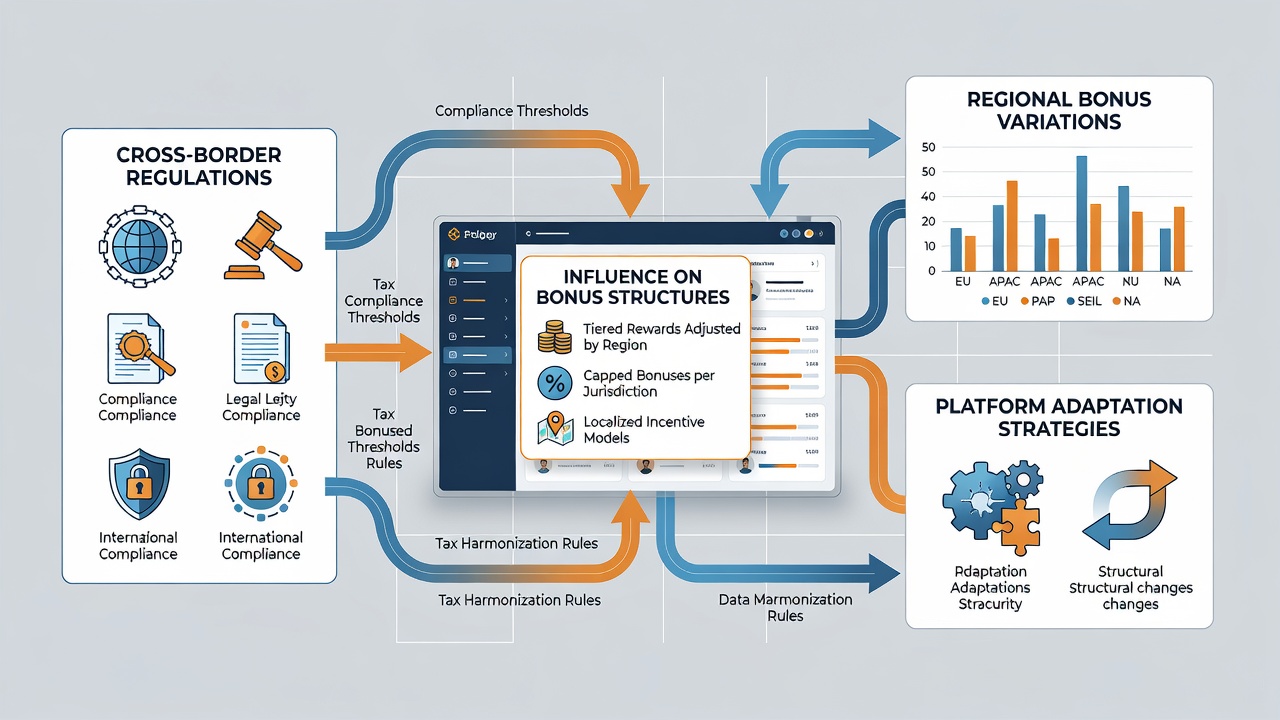
One case study from a major operator revealed that implementing geo-specific bonus engines reduced compliance violations by aligning offers with local statutes, yet the same system also limited the reach of global marketing campaigns. Researchers discovered that platforms using these tools often maintain separate marketing teams for each major region to ensure promotions meet both regulatory and cultural expectations.
Compliance Costs and Platform Adaptations
Meeting cross-border standards increases operational expenses, and operators pass some of those costs into bonus structures by raising wagering requirements or shortening validity periods. Figures from trade association surveys reveal that platforms serving multiple continents allocate significant portions of their budgets to legal reviews and software updates that enforce regional rules automatically. Yet the reality is that smaller operators sometimes limit their geographic footprint to avoid the complexity altogether, concentrating instead on one or two primary markets where bonus designs face fewer constraints.
Payment processing rules tied to gambling regulations further influence how bonuses convert into withdrawable funds, since certain jurisdictions require proof that bonus funds originated from verified sources. Platforms respond by integrating additional verification steps that can delay bonus activation for international users. According to reports from the Pennsylvania Gaming Control Board, operators must demonstrate that bonus terms do not mislead players about withdrawal conditions, a standard that has prompted many platforms to simplify their language across all regions.
Additional oversight comes from bodies such as the Irish Gambling Regulatory Authority, whose guidelines on promotional fairness have led to standardized bonus disclosure formats used by platforms with European users. These adaptations show how regulatory pressure directly shapes the mechanics of rewards rather than just their marketing presentation.
Conclusion
Cross-border regulations continue to drive segmentation in bonus structures across digital card platforms, requiring operators to balance compliance with competitive offerings. Evidence from regulatory filings and industry analyses demonstrates that platforms adapt through technology and regional teams, while upcoming policy reviews in 2026 may introduce further adjustments. Observers expect continued evolution in how bonuses are designed, disclosed, and distributed as authorities refine their approaches to online promotions.